
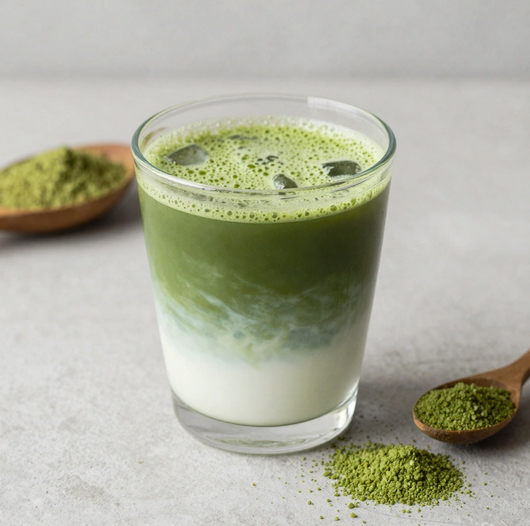
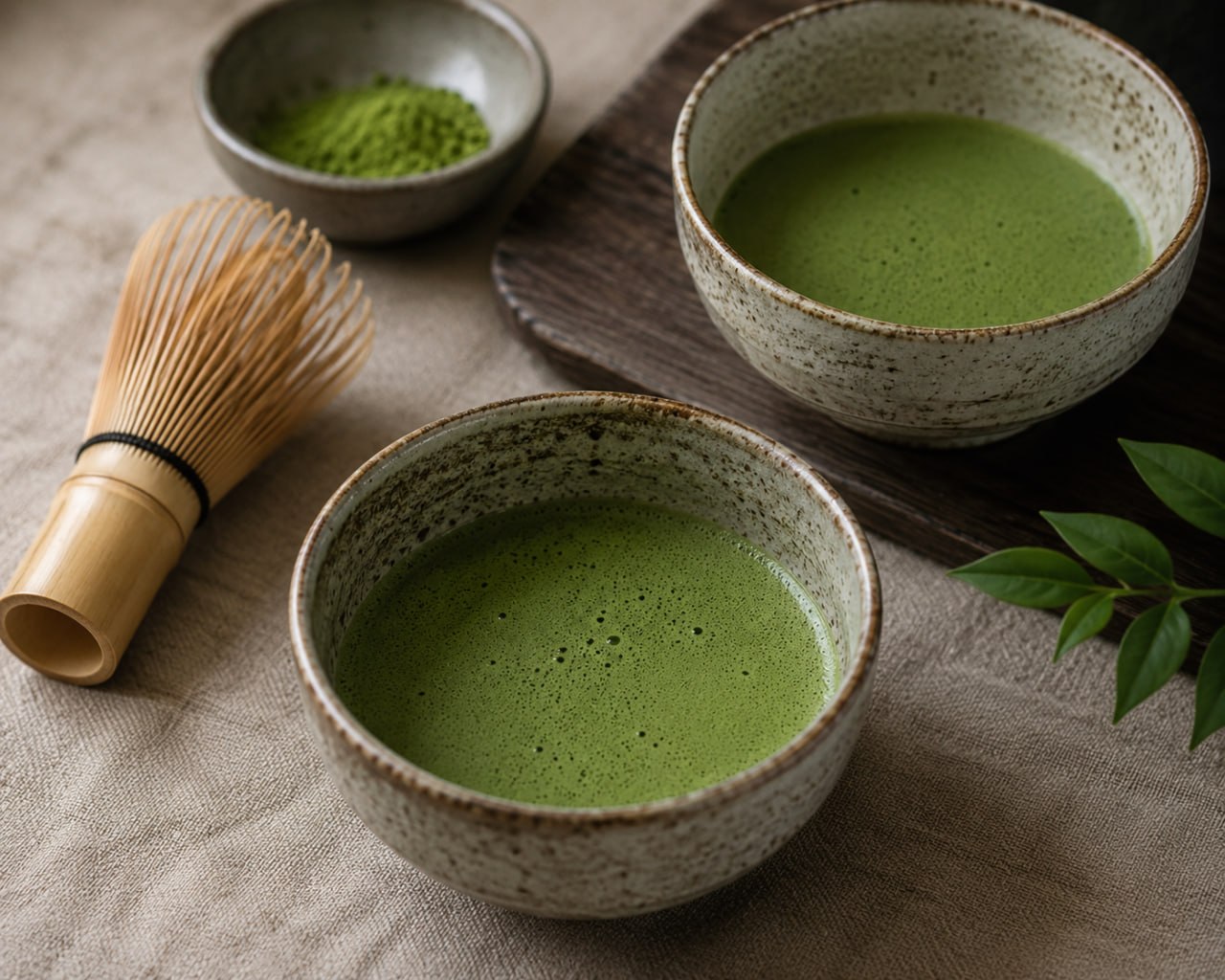
High-quality matcha is recognized by its vibrant, electric green color, sweet and grassy aroma, incredibly fine and silky texture (like baby powder), and a rich umami flavor with zero bitterness. This premium tea is shade-grown, stone-milled, and sourced exclusively from Japan.
The easiest way to evaluate matcha is by examining key sensory and physical traits:
1. Color: Bright & Emerald
- High Quality: A vivid, glowing, bright green color. This is due to high chlorophyll levels from shade-grown leaves.
- Low Quality: Dull, yellowish, or brownish hues, which indicate oxidation or improperly shaded plants.
2. Texture: Silky & Powdery
- High Quality: Feels as fine and soft as talcum powder or flour. It should create a smooth line when dragged across paper.
- Low Quality: Feels gritty between your fingers, caused by coarse grinding or the inclusion of stems and veins.
3. Aroma: Fresh & Sweet
- High Quality: Smells of fresh-cut grass, springtime, and subtle, sweet vegetable or sea notes.
- Low Quality: Smells stale, metallic, or musty.
4. Taste: Umami & Smooth
- High Quality: Ceremonial-grade matcha is naturally sweet, highly umami (savory/brothy), creamy, and leaves a lingering pleasant aftertaste without bitterness.
- Low Quality: Overwhelmingly astringent and bitter.
5. Origin & Price
- Origin: Authentic, high-quality matcha comes from Japan (primarily regions like Uji, Nishio, or Kagoshima).
- Price: Quality is directly reflected in price. Premium ceremonial grades are typically expensive (usually equivalent to €25-€35 for a 30g tin), while culinary grades are cheaper and meant for baking.
Could you share what you intend to use the matcha for (drinking it plain with water, or mixing it in lattes/smoothies) so I can recommend the exact grade and brands that fit your needs?
Ein Kommentar zu “how you recognize high-quality Matcha?”
Verwandte Nachrichten
 Juni 25, 2026
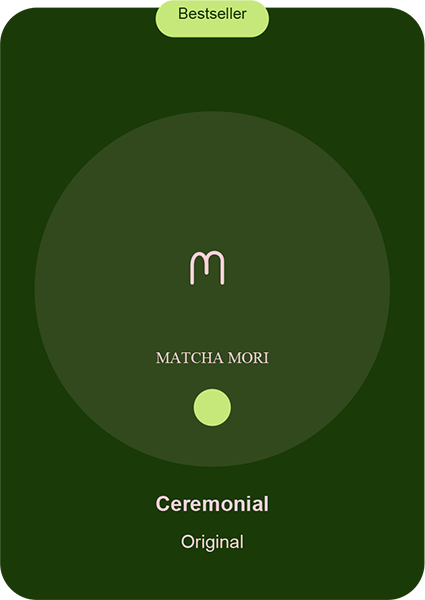
Ceremonial Matcha Tea
🍵 THE GOLD STANDARD OF MATCHA 🍵
There is a reason this is our absolute #1 Bestseller. Meet the true...
 Juni 25, 2026
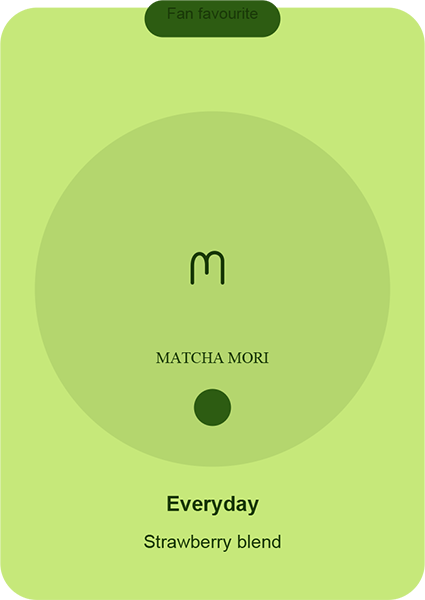
Everyday Matcha Tea
🍓 YOUR FAVORITE EVERYDAY RITUAL 🍓
Meet the absolute crowd-pleaser of our community — Everyday Match...
 Juni 25, 2026
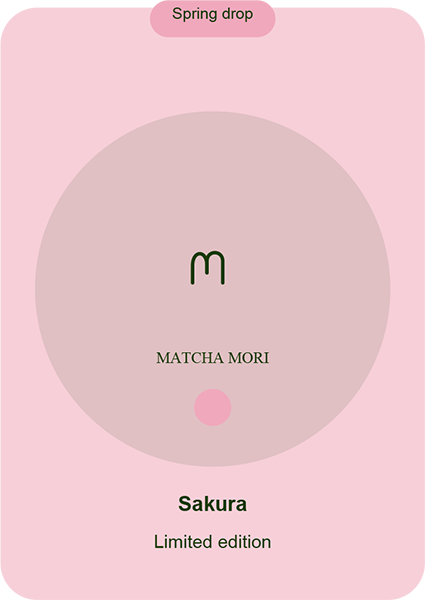
Sakura Matcha Tea
🌸 THE SPRING DROP YOU HAVE BEEN WAITING FOR 🌸
Meet our newest, highly anticipated arrival: Sakura M...
Hi, this is a comment.
To get started with moderating, editing, and deleting comments, please visit the Comments screen in the dashboard.
Commenter avatars come from Gravatar.